
Self Priming
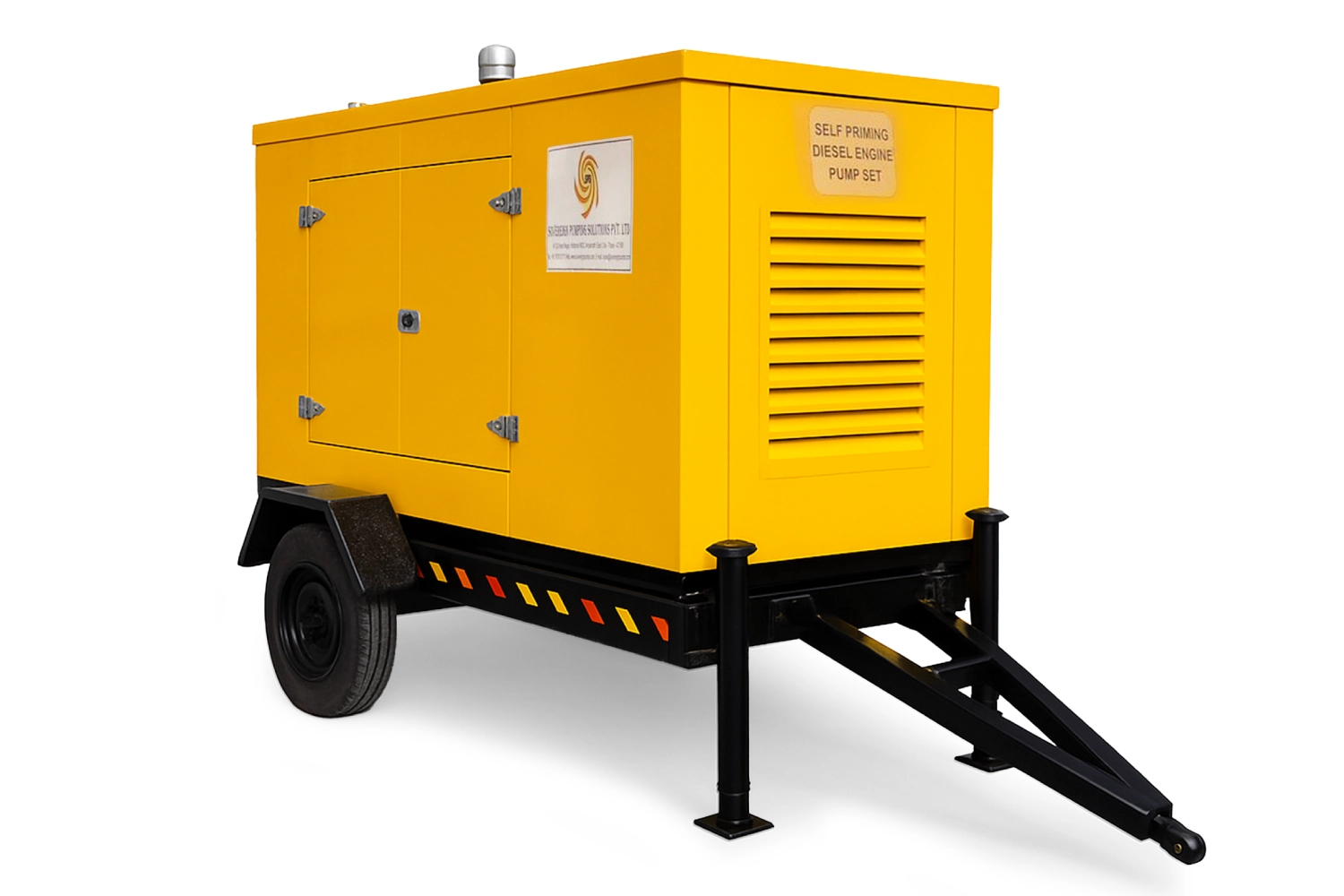
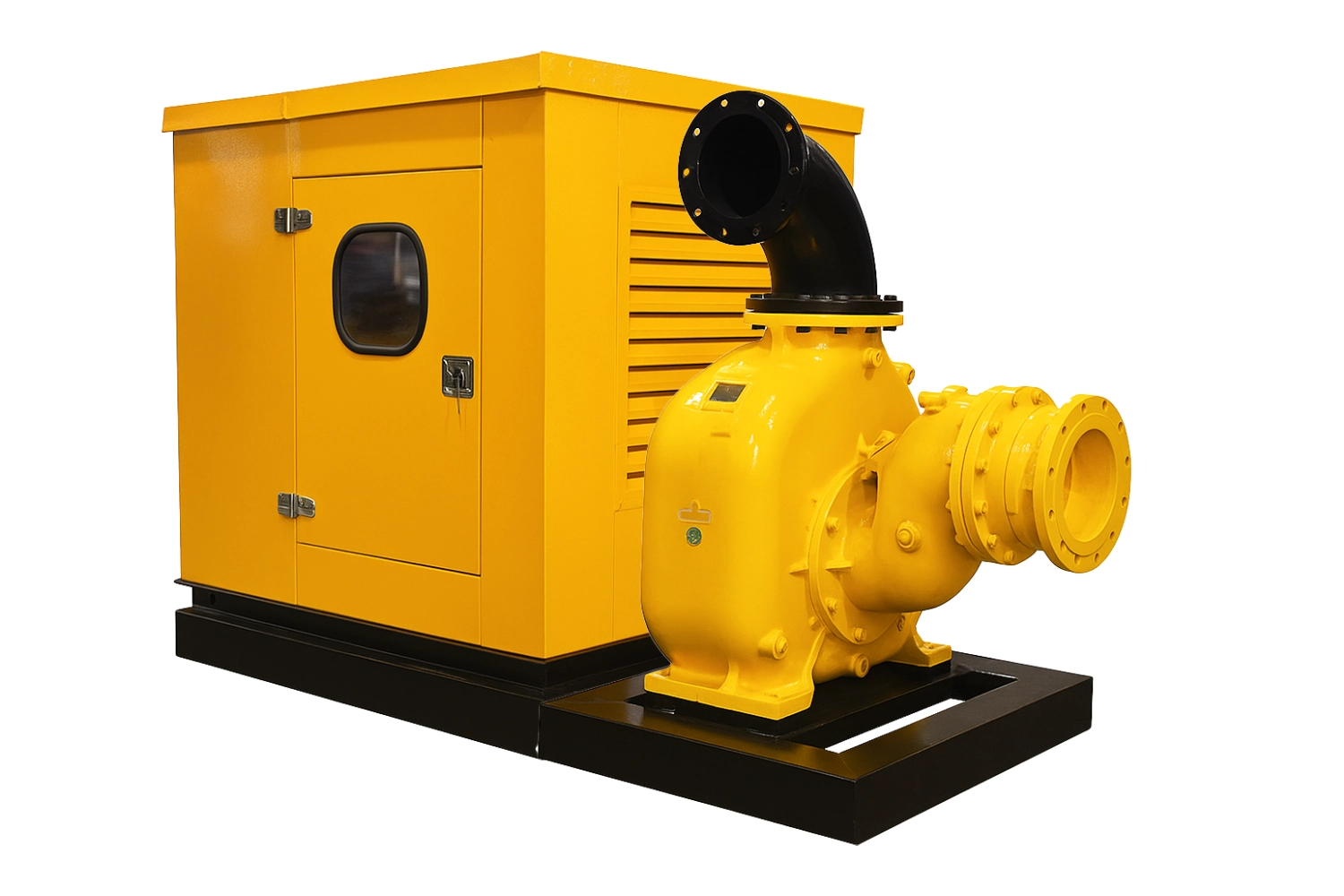
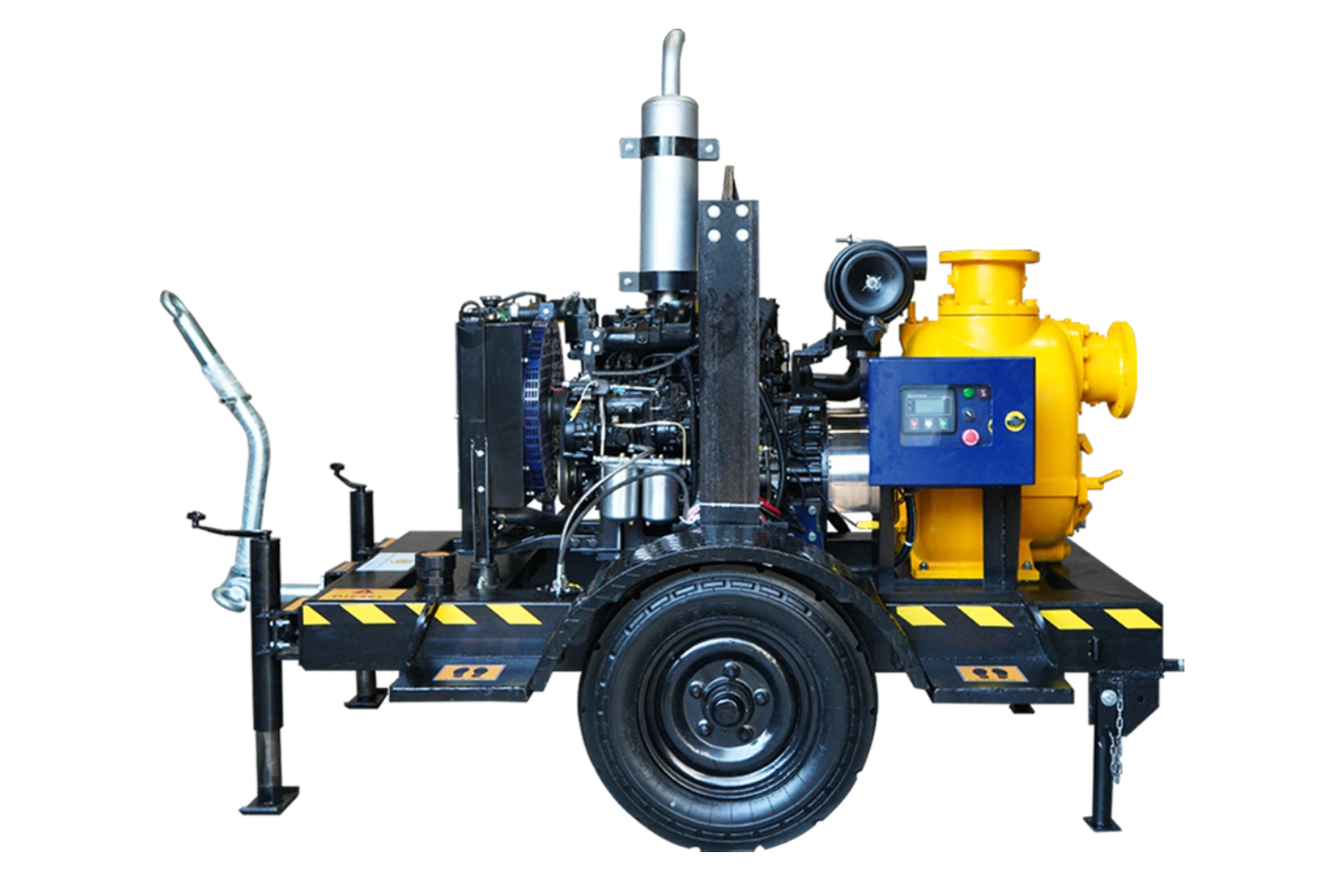
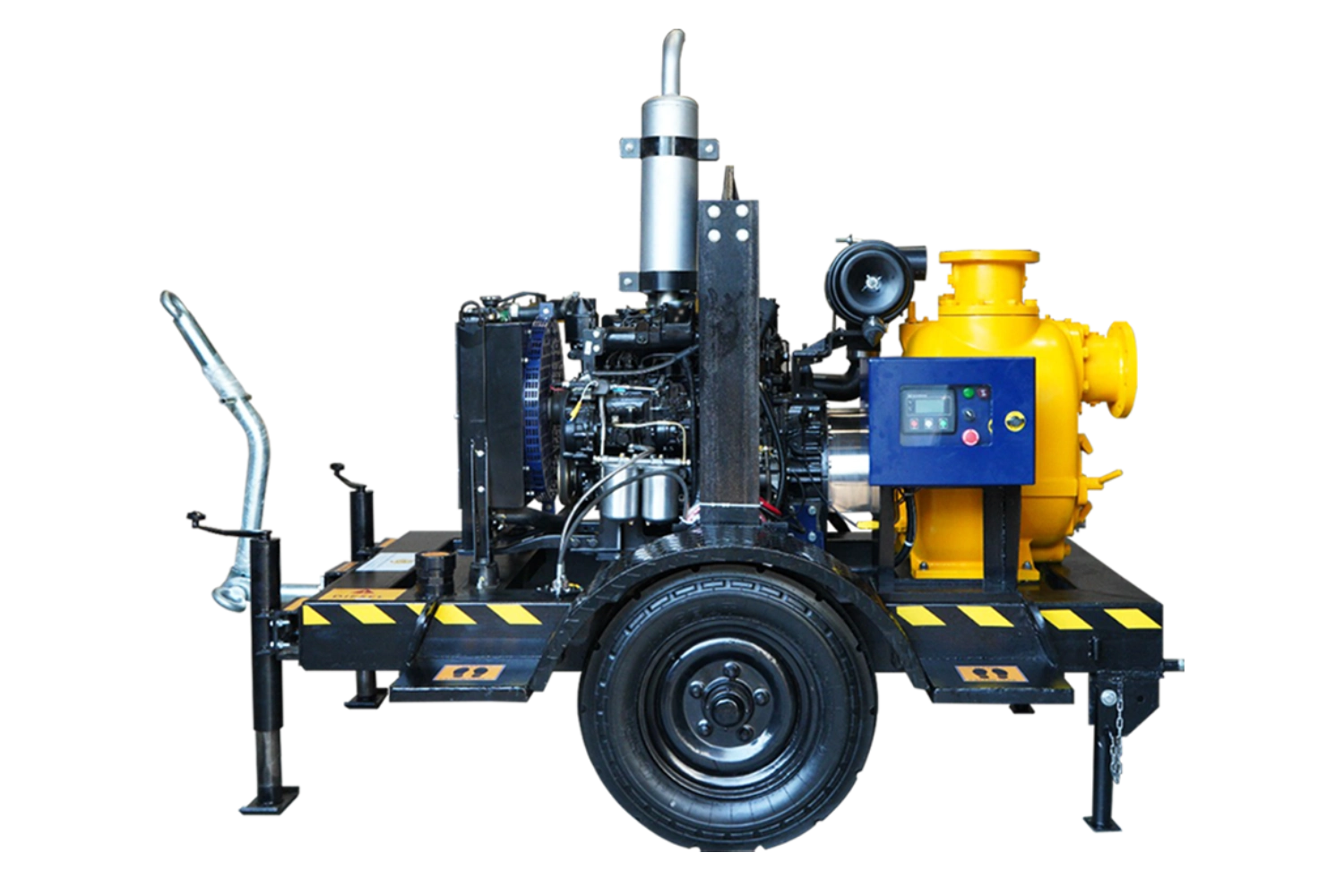
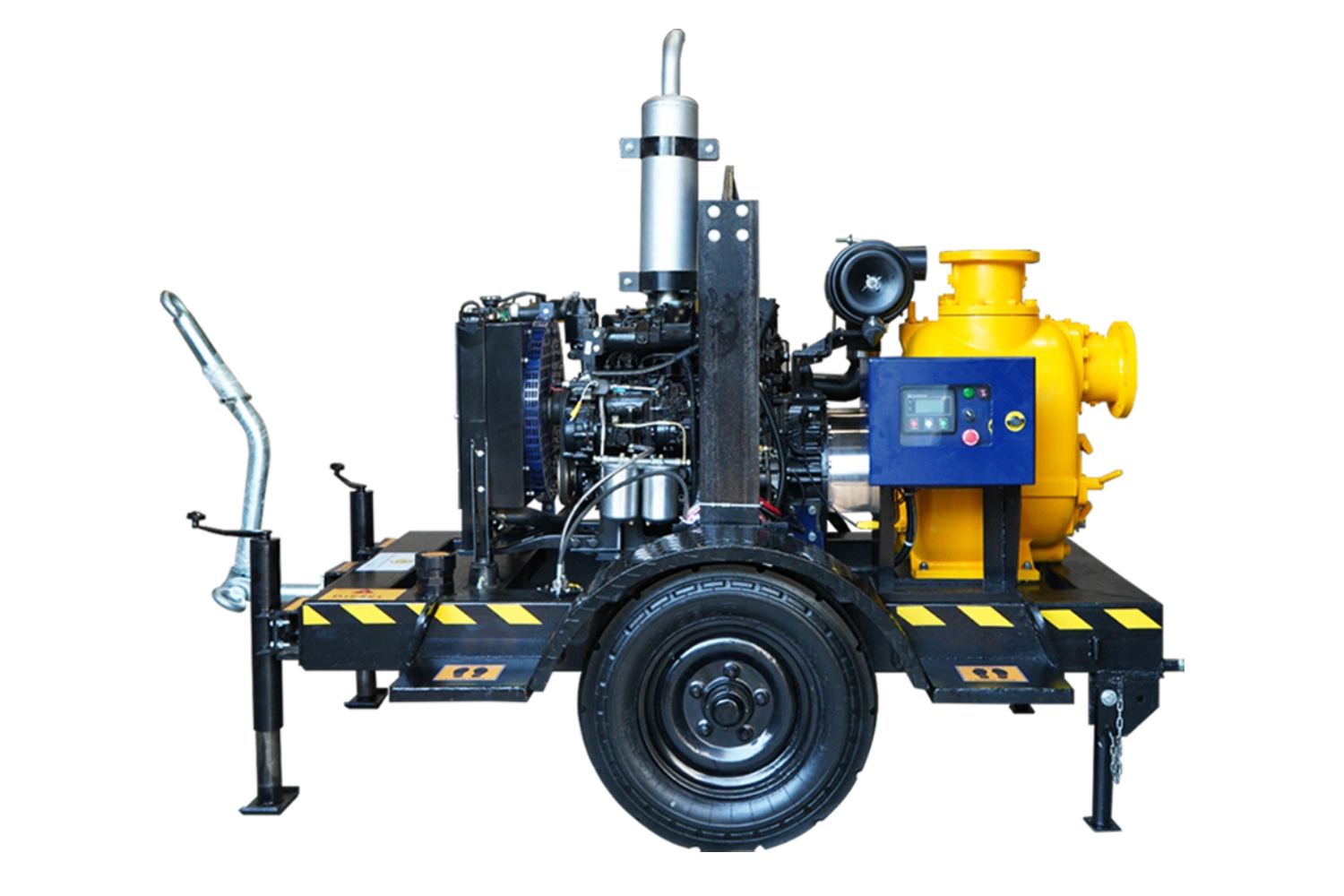
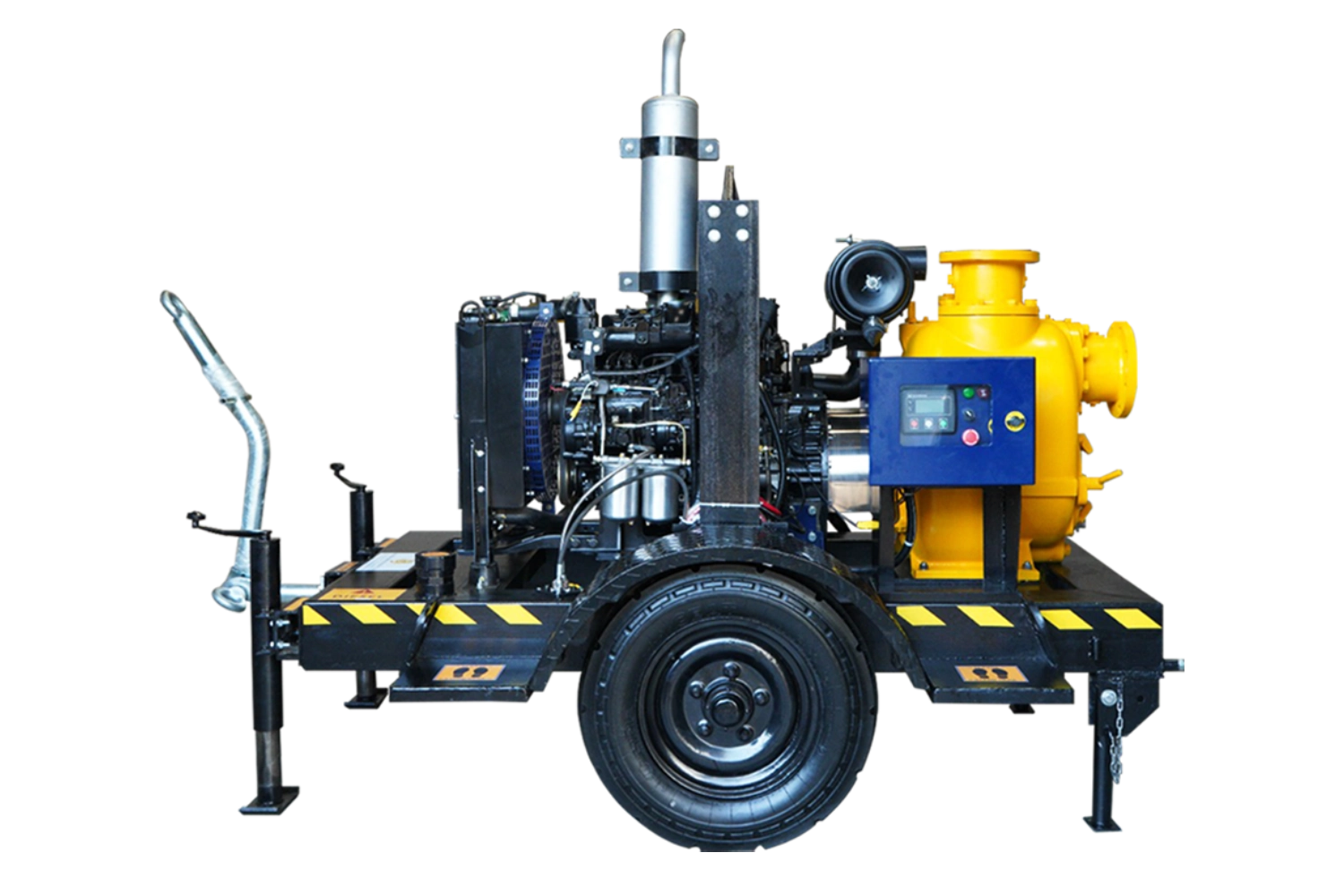
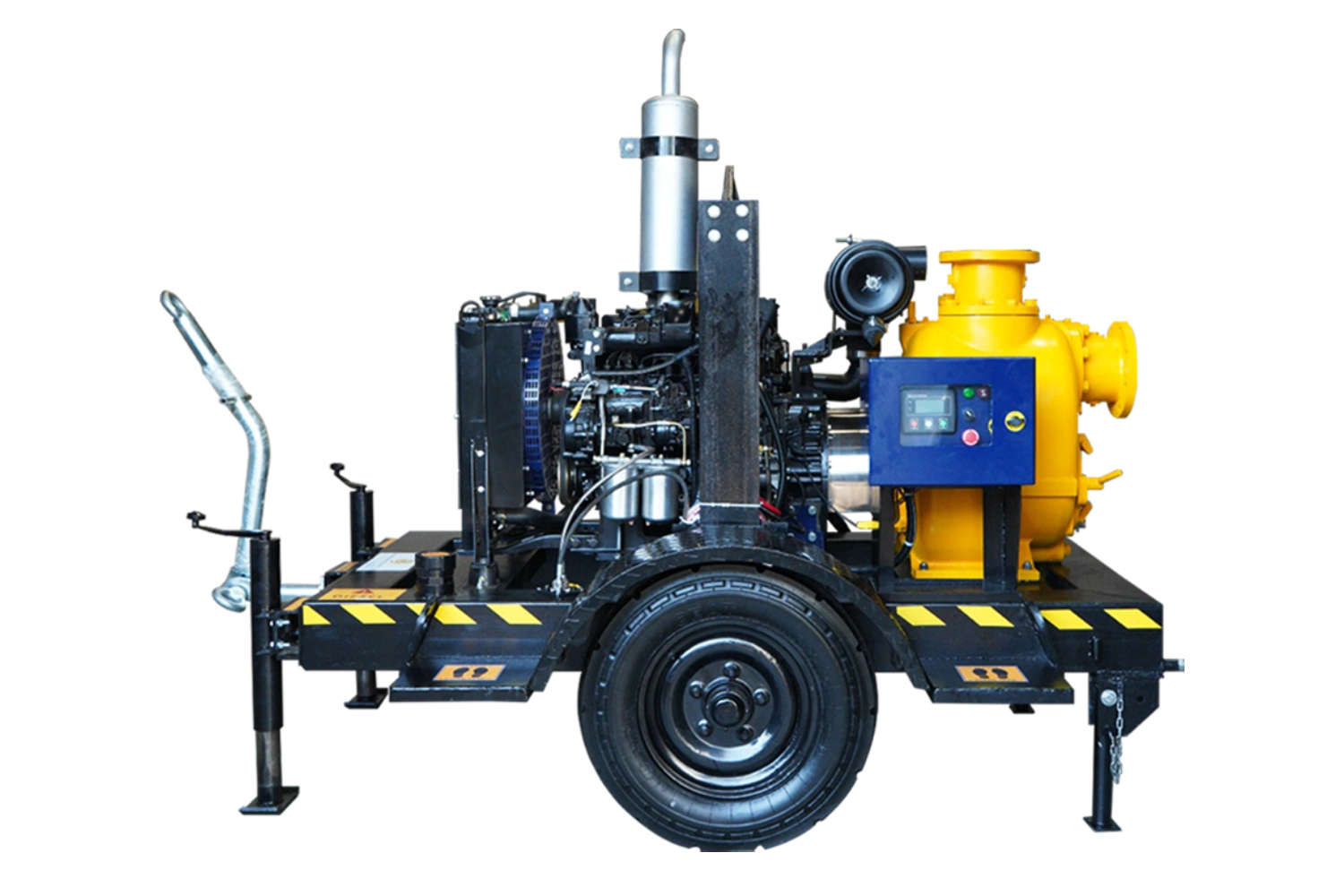
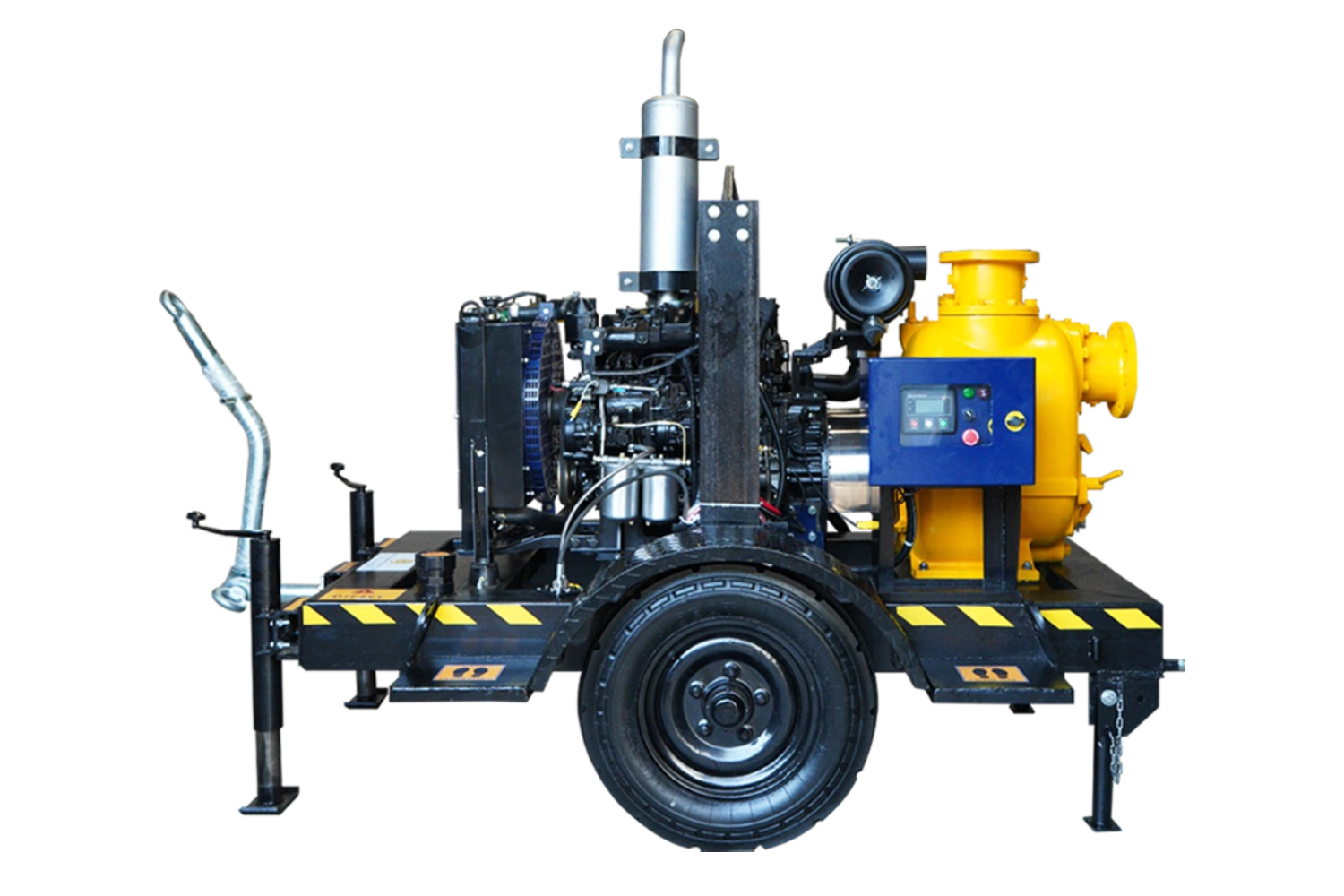
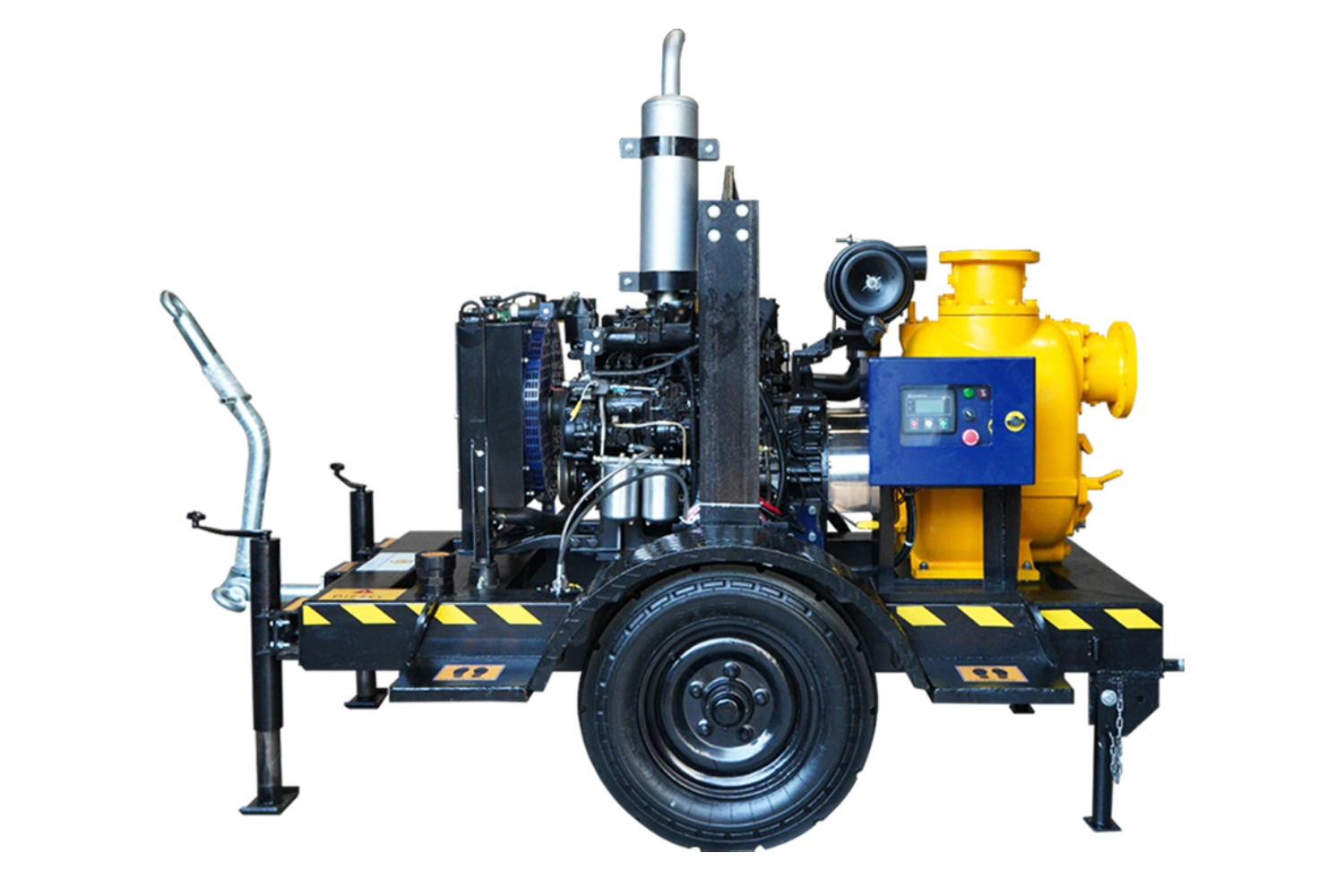
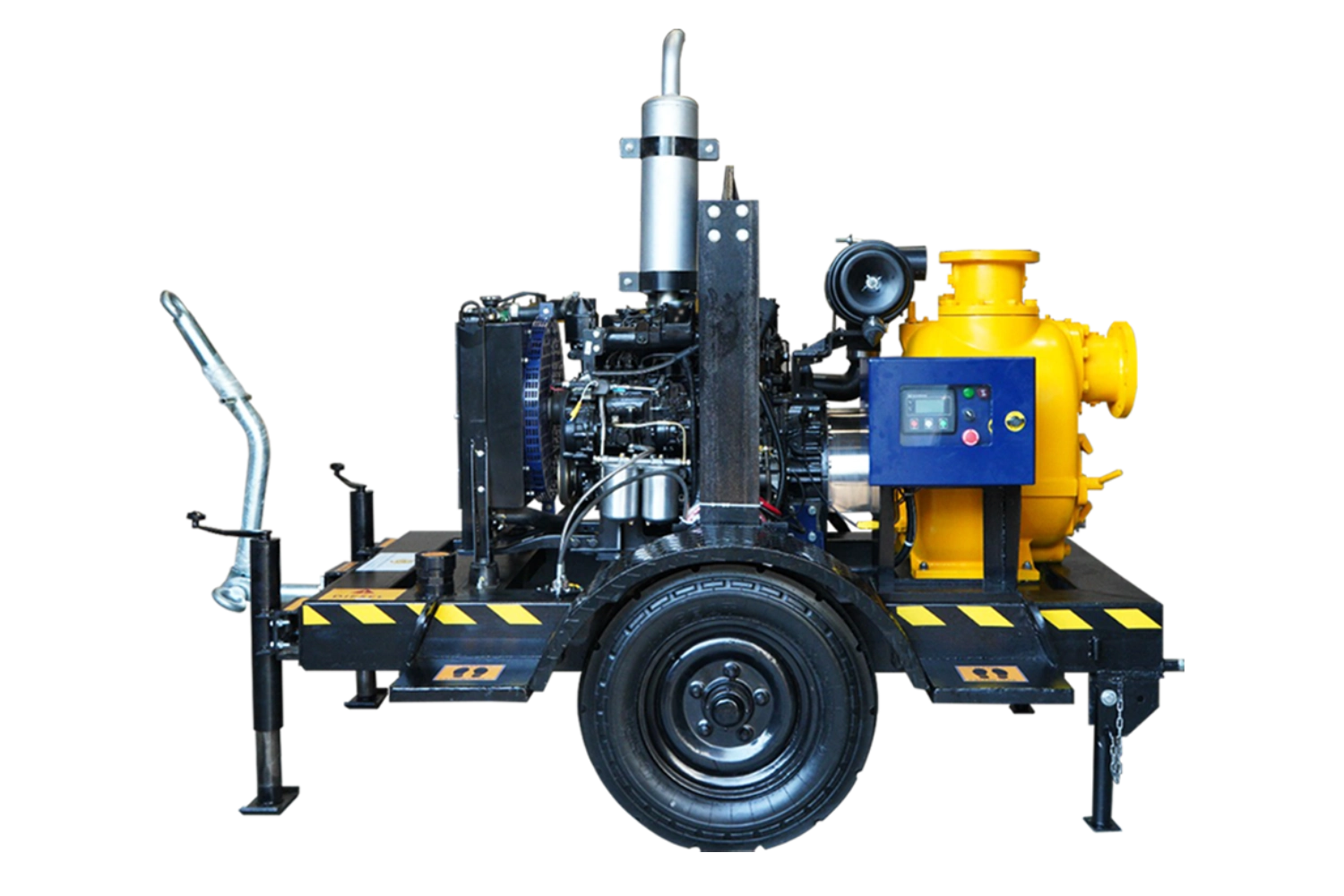
About Self Priming
Self-Priming Pumps for Demanding Applications
Self-priming pumps are useful where a surface-mounted pump needs to handle changing suction conditions. Instead of depending on manual priming, the pump is designed to evacuate air from the suction line and establish the required suction for pumping.
This makes self-priming pumps a practical choice for construction sites, drainage systems, wastewater applications and other locations where the pump may need to be started or restarted frequently.
Our Self-Priming Pump Range
PATNI PUMP currently lists EDP-SP models in low-head and high-head configurations. The range covers different discharge sizes, flow capacities, head requirements and solid-handling capabilities.
Low-Head Self-Priming Pumps
The low-head range includes models such as:
- EDP-SP-2x2L
- EDP-SP-3x3L
- EDP-SP-4x4L
- EDP-SP-6x6L
- EDP-SP-8x8L
- EDP-SP-10x10
- EDP-SP-12x12
Depending on the model, the listed low-head pumps offer capacities from 29 l/s to 1,300 m³/hr, with heads up to 42.6 metres and solid-handling capacity up to 76 mm.
High-Head Self-Priming Pumps
The high-head range includes:
- EDP-SP-3x3H
- EDP-SP-4x4H
- EDP-SP-6x6H
These models are designed for applications where greater discharge pressure or head is required. The listed head capacity reaches up to 62 metres, while solid-handling capacity varies from 20 mm to 31 mm, depending on the model.
Key Features of Self Priming Pumps
The EDP-SP range is designed around practical requirements for surface-mounted pumping. Depending on the selected model, features include:
- Self-priming operation
- High and low head configurations
- Different suction and discharge sizes
- Solid-handling capability
- Variable operating speeds
- Cast iron construction options
- 316 stainless steel material options
- CD4MC material options
- Models for different flow requirements
The current range has discharge sizes from 80 mm to 300 mm, depending on the model.
Where Are Self-Priming Pumps Used?
Self-priming pumps can be considered for a wide range of pumping requirements, including:
- Construction dewatering
- Excavation drainage
- Sewage pumping
- Wastewater handling
- Industrial drainage
- Slurry applications
- Flood-water removal
- Mining and quarrying
- Municipal drainage
- Emergency pumping
The suitable model depends on the liquid, solids content, required flow, head, suction lift and installation conditions.
Why Use a Self-Priming Pump?
A self-priming pump can simplify operation when a surface-mounted pumping system needs to establish suction after stopping or when air enters the suction line.
Key benefits include:
- Helps reduce manual priming requirements
- Suitable for surface-mounted installations
- Handles liquids containing solids
- Available in low-head and high-head configurations
- Different sizes for different flow requirements
- Suitable for challenging drainage and dewatering conditions
- Multiple construction material options
Choosing the Right Self-Priming Pump
Pump selection should be based on the complete operating requirement rather than discharge size alone.
Important factors include:
- Required flow rate
- Total head
- Suction lift
- Suction and discharge pipe size
- Solid size
- Type of liquid
- Pumping distance
- Installation conditions
- Required operating speed
For example, the EDP-SP-12x12 is listed with a maximum capacity of 1,300 m³/hr and 42.6 m head, while the EDP-SP-3x3H is listed with up to 62 m head. The appropriate model depends on the actual duty point.
Why Choose PATNI PUMP?
PATNI PUMP LLP works as the marketing partner of Sovereign Pumps and brings more than 50 years of experience in pumps and motors to its pumping solutions. Its range covers dewatering, sewage, slurry, non-clog and diesel-driven pumping requirements.
For a self-priming pump, proper sizing is important because flow, head, suction conditions and liquid characteristics directly influence the required configuration.