
Electrical Submersible Dewatering Pumps: Applications in Tunneling, Mining & Infrastructure
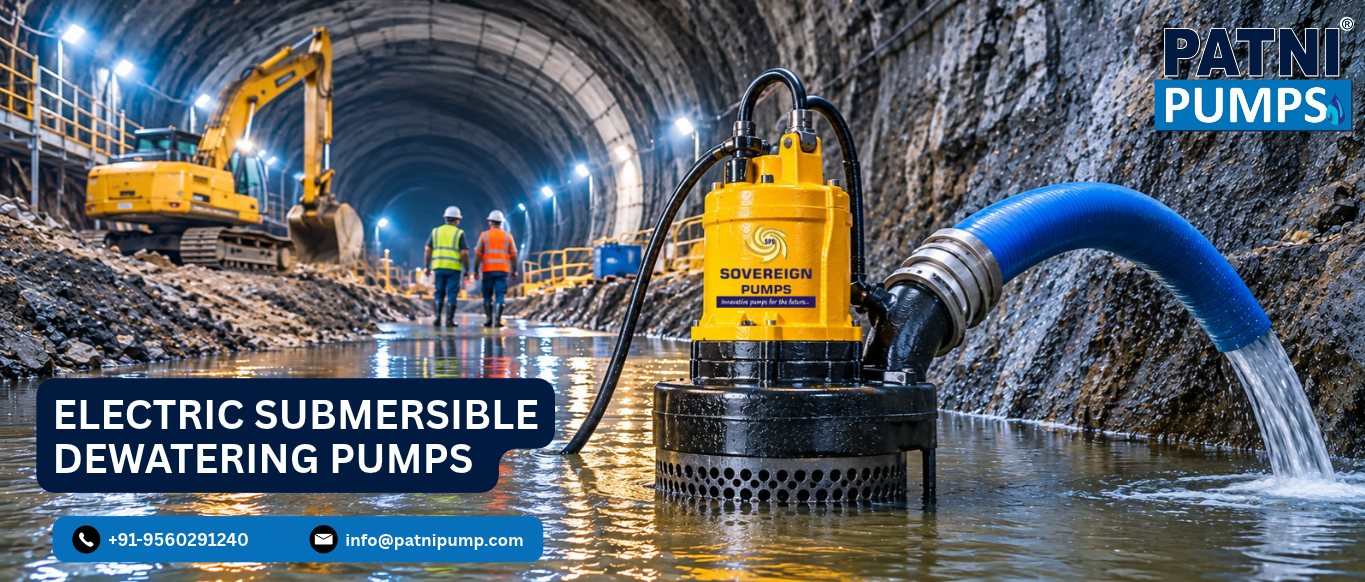
Water pooling is a problem that comes up a lot on job sites, in work, at mines and in infrastructure builds. Groundwater leaks in. Rainwater builds up. Runoff from digging and sudden water inflows can all slow things down, hurt equipment and make the site unsafe if nobody handles it right.
Electric submersible dewatering pumps are a tool for getting rid of this unwanted water. They are built to run while underwater, so they help water from pits, shafts, trenches, tunnels and other tough spots where a regular surface pump setup may not work well.
For contractors, mine operators and infrastructure developers, picking the dewatering pump matters. It keeps the site productive, keeps water levels in check and helps projects keep moving without stops.
What Are Electrical Submersible Dewatering Pumps?
Electrical submersible dewatering pumps are built to work underwater. Electrical submersible dewatering pumps pull out water that has built up in places where drainage is needed. You put the pump in the water collection area, like a sump, an excavation pit, a trench or a flooded underground space. Then the pump moves the water out through a discharge pipe.
Surface-mounted pumping systems have to draw water from a collection point. Submersible pumps are different because they work in the water. I think that is what makes submersible pumps so handy. Submersible pumps work well for sites with space, for deep water collection points and for tough drainage conditions.
These pumps are commonly used in:
- Construction and foundation excavation
- Tunneling and underground infrastructure
- Mining and quarrying
- Road, bridge and utility projects
- Industrial drainage
- Floodwater removal
- Deep sumps and collection pits
The pump's required capacity depends on the quantity of water, pumping height, discharge distance and site conditions.
Applications of Electrical Submersible Dewatering Pumps
1. Tunneling and Underground Construction
Tunneling projects often encounter groundwater seepage, accumulated rainwater, drainage water and water entering through surrounding soil or rock formations. Water accumulation can interfere with excavation activities, equipment movement and construction schedules.
Electrical submersible dewatering pumps help remove water from tunnel floors, collection sumps, shafts and underground work areas.
Key applications in tunneling include:
- Removing seepage water from tunnel excavation areas
- Draining water from underground shafts and access passages
- Managing accumulated water in tunnel sumps
- Supporting underground metro and railway construction
- Removing water from utility tunnels and service passages
- Supporting drainage during underground civil engineering work
For tunnel projects, pump selection should account for pumping head, water inflow, available installation space, discharge route and operating conditions.
2. Mining and Quarrying Operations
Mining operations frequently involve water accumulation due to groundwater inflow, rainfall, seepage and water collected during excavation. Effective drainage is important for maintaining accessible working areas and supporting mining activities.
Electrical submersible dewatering pumps are used in mining environments to transfer accumulated water from pits, sumps, excavation zones and other collection areas.
Mining applications include:
- Mine pit water removal
- Quarry drainage
- Underground mine sump pumping
- Water removal from excavation areas
- Drainage during mining development
- Water management in mineral extraction sites
Mining projects may require pumps with different head and flow configurations depending on the depth of the collection area and the discharge point. For water containing substantial quantities of abrasive solids, a suitable solids-handling or slurry pump may be required instead of a standard dewatering pump.
3. Infrastructure and Civil Engineering Projects
Large infrastructure projects involve multiple excavation, foundation, drainage and construction activities where water management is essential.
Electrical submersible dewatering pumps are used to remove water from construction areas and help maintain workable conditions during different project stages.
Infrastructure applications include:
- Bridge foundation construction
- Road and highway development
- Metro rail projects
- Utility pipeline installation
- Building foundations
- Civil engineering excavations
- Underground infrastructure development
Dewatering helps contractors manage accumulated water in excavation areas and supports the progress of foundation, structural and installation work.
4. Deep Excavation and Foundation Work
Foundation excavation may experience water accumulation from groundwater seepage, rainfall or nearby water sources. If water is not managed properly, it may interfere with excavation, soil handling, concrete-related work and site access.
Submersible dewatering pumps are commonly installed in collection points or sumps to remove accumulated water from foundation pits and deep excavations.
They are used for:
- Basement excavation
- Deep foundation pits
- Building construction sites
- Retaining wall construction
- Underground parking structures
- Civil foundation works
The required pump capacity should be calculated according to expected water inflow and the pumping system's total head.
5. Floodwater and Emergency Drainage
Flooding and unexpected water accumulation can affect industrial premises, construction sites, underground structures and other facilities. Emergency drainage arrangements help remove water from affected areas when pumping is required.
Electrical submersible dewatering pumps can be deployed in suitable water collection locations to transfer water away from flooded areas.
Typical applications include:
- Waterlogged construction sites
- Flooded basements
- Industrial premises
- Underground chambers
- Temporary water collection areas
- Emergency drainage operations
For emergency use, pump availability, power supply, discharge arrangements and safe installation procedures are important considerations.
6. Industrial and Utility Applications
Industrial facilities may require water removal from sumps, pits, service areas and process-related collection points. Dewatering pumps can support routine drainage and water management operations in suitable applications.
Common industrial uses include:
- Drainage from industrial pits and sumps
- Water removal from maintenance areas
- Utility and service infrastructure
- Industrial excavation
- Temporary water transfer
- Plant drainage and water management
Industries should select pumps according to water characteristics, operating hours, flow requirements and installation conditions.
Benefits of Electrical Submersible Dewatering Pumps
Efficient Water Removal
Operating directly in the water collection area allows submersible dewatering pumps to remove accumulated water without requiring a separate surface suction arrangement. This can be advantageous for deep sumps, excavations and underground projects.
Suitable for Challenging Site Conditions
Construction, mining and infrastructure projects often have restricted space and difficult drainage conditions. Submersible pump installations can provide a practical water-removal arrangement for many such locations.
Multiple Head and Capacity Options
Different sites require different pumping capacities and discharge heights. Availability of pumps in different HP and head configurations allows buyers to select equipment according to project-specific requirements.
Supports Construction Productivity
Managing water accumulation helps keep excavation and working areas more accessible. Effective dewatering can support construction activities and reduce disruptions caused by water collecting at the worksite.
Versatile Applications
A suitable submersible dewatering pump can be used across multiple sectors, including construction, mining, tunneling, infrastructure, industrial drainage and emergency water removal.
Convenient Installation at Collection Points
Submersible pumps are installed within sumps, pits or other water collection locations. This arrangement can be useful where the water source is below ground level or where surface space is limited.
How to Choose the Right Electrical Submersible Dewatering Pump
Selecting the correct pump is essential for effective water removal. A pump that is unsuitable for the required flow or head may fail to meet site requirements, even if its motor horsepower appears sufficient.
1. Required Flow Rate
Determine how much water needs to be removed within a specific time. Flow rate is generally expressed in litres per minute, litres per second or cubic metres per hour.
The pump should be selected according to the expected water inflow and the required drainage time.
2. Total Pumping Head
Total head represents the overall resistance the pump must overcome to move water to the discharge point. It includes vertical elevation and losses caused by the discharge pipe, fittings and other system conditions.
A pump's flow rate changes with operating head, so selection should be based on its performance curve rather than horsepower alone.
3. Water Depth and Installation Conditions
Evaluate the depth of the sump, excavation or collection point, along with available space for pump installation and removal.
The pump should be installed according to its operating requirements and manufacturer instructions.
4. Water Quality and Solids Content
The water being pumped may contain sand, silt, mud or other particles. Standard dewatering pumps and slurry pumps are designed for different types of liquid conditions.
For water with substantial abrasive solids or slurry, buyers should check whether a dedicated slurry pump is more suitable for the application.
5. Motor Power and Electrical Supply
Check the required HP, voltage, phase, frequency and electrical installation arrangements. The available power supply at the project site must be compatible with the pump's requirements.
6. Operating Duration
Some applications require intermittent pumping, while others need long operating periods or continuous dewatering. Evaluate the pump's duty requirements, cooling arrangements and manufacturer-approved operating conditions.
7. Maintenance and Service Support
Before purchasing, evaluate maintenance requirements, availability of spare parts, installation assistance and technical support. These considerations are especially important for pumps used at remote mining, tunneling and infrastructure sites.
Electrical Submersible Dewatering Pumps by PATNI PUMP
PATNI PUMP offers electric pumps that remove water from construction sites, excavation sites, tunnels, mines, infrastructure projects and industrial settings.
The dewatering pump range from PATNI PUMP contains horsepower and head options, such as high-head, medium-head and heavy-duty models, to meet various project needs.
- SPG103M and SPG103H – 10 HP configurations
- SPG164M and SPG164H – 16 HP configurations
- SPG254M and SPG254H – 25 HP configurations
- SPG355M and SPG355H – 35 HP configurations
- SPG505M and SPG505H – 50 HP configurations
- SPG1004SH – 100 HP configuration
- SPG1206SH – 120 HP configuration
Each model in the range works under pumping conditions. You should pick the PATNI PUMP dewatering pump by looking at the needed flow, total head, the water type and the specific conditions of your project.
If a business is planning a dewatering plan for a tunnel, mine, construction site or infrastructure project, it can look at the PATNI PUMP dewatering pump range to see which models fit and talk about its application needs..
Why Choose the Right Dewatering Pump Supplier?
A dewatering pump is an important part of site water management, particularly when projects involve deep excavations, underground work or demanding operating conditions. Choosing a supplier with a suitable range of pump configurations can help simplify equipment selection.
When evaluating a dewatering pump supplier, consider:
- Availability of multiple HP and head configurations
- Suitable pumps for construction and mining applications
- Product information and technical specifications
- Assistance with pump selection
- Spare parts and maintenance support
- Supply capability for project requirements
PATNI PUMP offers dewatering pump solutions for construction, mining, infrastructure and industrial applications. Buyers can discuss project requirements to identify suitable pump configurations for their water-removal needs.
Conclusion
Electrical submersible dewatering pumps are tools in tunneling, mining, infrastructure development, excavation and industrial water management. These pumps work directly in water-filled areas, making them ideal for removing water from sumps, pits, trenches and other underground work zones.
Choosing the pump means looking at several factors—flow rate, total head, water depth, solids content, electrical supply and how the pump will be used. When project teams pick the pump, they can handle water buildup better and keep site operations running smoothly.
For construction contractors, mining operators, infrastructure developers and industrial buyers, selecting an Electrical Submersible Dewatering Pump is a critical step. It ensures drainage and effective control of water during projects.
PATNI PUMP provides a variety of electrical dewatering pumps. They come in HP sizes and head configurations, suited for many industrial and project needs.