Powering Industry Forward: The Evolution of Industrial Pump Manufacturing
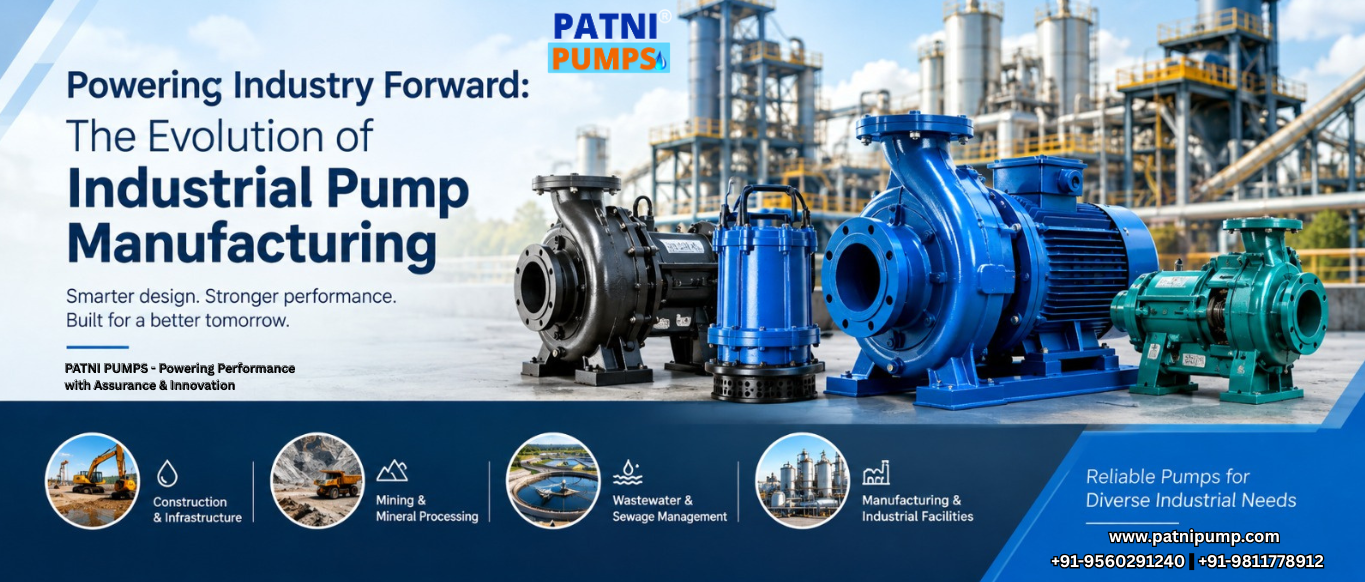
Behind every industrial process is a chain of machines responsible for the transportation of water, wastewater, slurry, and other fluids. From construction sites and mining rigs to municipal buildings and manufacturing facilities, pumps are an integral part of industrial infrastructure. With the growing demand for more efficient and reliable equipment, pump manufacturers are constantly working on improving their products and developing new technologies
The trend in the industry is towards more versatile machines capable of withstanding harsher environments while providing greater reliability and performance. Modern equipment needs to be able to adapt to the specific requirements of the industrial site it will be used at while also being easy to maintain and a cost-effective addition to the company’s existing infrastructure.
By being aware of the trends in industrial pump development, one can better identify the equipment most suited for a particular application and ensure continued operational efficiency.
How Industrial Pump Technology Has Changed
Previously, pumping systems used comparatively simple technological mechanisms to transfer water from one point to another. However, as industries grew and the need to transfer large amounts of fluid arose, equipment that could satisfy the enhanced demands was required.
Pump engineering progressed to fulfill these roles. Advancements in technologies, such as motoring, hydraulic, material, sealing, and production, were made to satisfy the various applications.
Pumps are now segmented into specialized machinery including construction dewatering, sewage, mining, industrial wastewater, and general fluid transfer pumps. Since each industry has different needs, the equipment must be chosen with great care.
Therefore, from the discussion, it is evident that the development of pumping mechanisms is not only aimed at increasing their power but also expanding their application potential.
Why Industrial Pumps Are Essential Across Industries
Industrial pumps support operations where fluid movement is a continuous or recurring requirement. Selecting an appropriate system helps businesses maintain workflow and reduce avoidable interruptions.
1. Construction and Infrastructure
Construction projects frequently encounter groundwater accumulation, rainwater, and excavation-related drainage challenges. Dewatering pumps help remove unwanted water from foundations, trenches, basements, and other work areas.
The correct pump depends on factors such as the required discharge rate, pumping height, water conditions, and site layout. Choosing equipment suited to these conditions helps contractors manage water more effectively.
2. Mining and Mineral Processing
Mining environments can involve abrasive water, suspended solids, and slurry. Equipment used in these conditions must be selected with particular attention to fluid characteristics, wear resistance, and operating requirements.
A suitable pumping solution can help move water and slurry through different stages of an operation. Material compatibility and maintenance accessibility are especially important when equipment operates under demanding conditions.
3. Wastewater and Sewage Management
Municipal facilities, commercial buildings, and industrial plants need reliable systems for handling wastewater. Sewage pumps and non-clog pump designs are used in suitable applications where liquids may contain suspended solids.
The pump's passage design, capacity, installation arrangement, and compatibility with the wastewater all influence its suitability. Proper selection can help reduce blockage risks and support dependable operation.
4. Manufacturing and Industrial Facilities
Manufacturing plants may use pumps for water circulation, process fluids, drainage, and wastewater handling. The required design varies according to the fluid's properties, operating temperature, flow demand, and system pressure.
Understanding these conditions before purchasing equipment helps avoid mismatches between the pump and the intended application.
What Defines a Reliable Industrial Pump Manufacturer?
Choosing a pump involves more than comparing specifications or purchase prices. The supplier's ability to understand application requirements and provide appropriate product information can also influence the buying decision.
When evaluating an industrial pump manufacturer, businesses should consider several practical factors.
Application suitability: The available pump range should address the fluid and working conditions involved in the project.
Product specifications: Clear information about flow rate, head, motor power, materials, and installation requirements helps buyers compare options.
Construction quality: The materials and design should suit the operating environment and the fluid being handled.
Maintenance requirements: Access to serviceable components, replacement parts, and maintenance guidance can influence the total cost of ownership.
Technical assistance: Support with product selection and operating requirements can help buyers identify a suitable solution for their installation.
These considerations are particularly important for projects where pumping performance directly affects productivity, drainage, or process continuity.
The Role of Efficiency in Modern Pump Manufacturing
Energy consumption is an important consideration for businesses operating pumps for extended periods. Even small differences in operating efficiency can affect electricity costs over the equipment's service life.
Manufacturers and buyers increasingly pay attention to hydraulic performance, motor efficiency, system design, and operating conditions. However, the most efficient choice is not necessarily the pump with the highest rated power or capacity. It is the one that meets the actual system demand without unnecessary energy use.
Correct sizing is therefore essential. An oversized pump may consume more energy than required, while an undersized unit may struggle to deliver the necessary flow or pressure.
Regular inspection, suitable installation, and operation within the recommended performance range can also contribute to better efficiency and equipment longevity.
Technology and the Future of Pump Manufacturing
Industrial pump manufacturing continues to benefit from developments in engineering, materials, and monitoring technology. Improved manufacturing methods can support more consistent component quality, while better materials may help equipment withstand specific corrosive or abrasive conditions.
Monitoring systems are also becoming increasingly relevant in industrial operations. Depending on the installation, sensors and connected controls can help operators observe performance indicators and identify unusual operating conditions.
These technologies may support preventive maintenance by helping teams investigate potential issues before they lead to significant disruption. However, their suitability depends on the application's complexity, operating environment, and budget.
Future progress in pump manufacturing will continue to depend on balancing performance, durability, maintainability, and operating costs rather than focusing on a single technological feature.
Choosing the Right Pump for Your Application
Before purchasing industrial pumping equipment, businesses should define the operating requirements clearly. This helps narrow down suitable options and makes comparisons more meaningful.
Start by identifying the type of fluid being handled. Clean water, sewage, and abrasive slurry can require very different pump designs. Next, determine the required flow rate and total head, including the effects of pipe length, elevation, and system resistance.
Other important considerations include:
- Required motor power and available electrical supply
- Installation method and available space
- Solids content and fluid characteristics
- Expected operating hours and maintenance access
- Site conditions and environmental requirements
Providing these details to the supplier helps ensure that the recommended equipment is suitable for the intended duty.
PATNI PUMPS: Supporting Industrial Pumping Requirements
For businesses evaluating pumping equipment, understanding the application is the first step towards making a practical purchasing decision. PATNI PUMPS offers a point of contact for enquiries about industrial pumping requirements and relevant product options.
Whether a project involves dewatering, sewage handling, or slurry movement, buyers should compare product specifications against the actual operating conditions. Flow requirements, pumping head, fluid composition, installation details, and maintenance needs should all be considered before finalising a selection.
Visit PATNI PUMPS to explore the available product information and enquire about a suitable pumping solution for your application.
Moving Industry Forward with Better Pumping Decisions
Industrial pump manufacturing has progressed from basic fluid movement towards application-specific solutions designed for demanding environments. Improvements in engineering, materials, and system monitoring continue to create opportunities for better performance and more informed equipment selection.
For industrial buyers, the key is to focus on the requirements of the job rather than choosing equipment based on price or power alone. A correctly selected pump, supported by appropriate installation and maintenance, can help businesses manage fluids more effectively and support reliable day-to-day operations.
As industrial applications continue to evolve, careful equipment selection remains an important part of keeping essential processes running.