
Submersible Pump Applications in Drainage, Flood Control and Industrial Dewatering
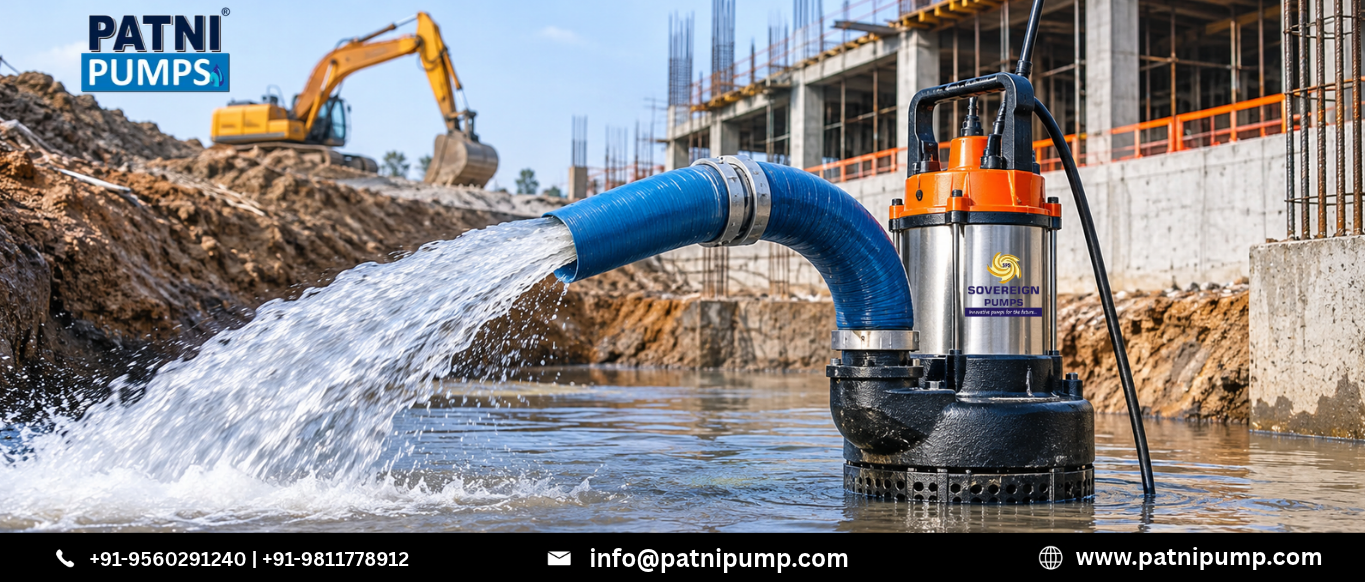
Water accumulation can cause problems for construction sites, industrial plants, infrastructure projects and city drainage systems. When it rains heavily, when groundwater leaks in, during digging work, from wastewater discharges or during floods, water can slow down work, damage buildings and equipment and push back schedules.
To deal with this, a dependable pumping system is a must. It helps remove water and keeps the site safe and ready for work. A submersible pump is often the choice because it can work fully underwater. This means it can pull water directly from collection pits, sumps, flooded spots or any low area where water collects.
These pumps come in types. They are made for water, dirty drainage water, sewage, slurry and other industrial fluids. Choosing the pump depends on what kind of liquid is being pumped, how much flow is needed, how high the water must be lifted, how much solid material is in the liquid, where the pump will be set up and what the operating needs are.
This article covers the uses of submersible pumps in drainage, flood control and industrial dewatering. It also looks at what companies should think about when picking the pumping system for their needs.
What Is a Submersible Pump?
A submersible pump is built to work under water or fully submerged in the liquid it is moving. The pump and motor are placed at the spot where the liquid is collected. From there, the unit pushes the liquid through a discharge pipe or hose to where it's needed.
Unlike pumps that often need to be primed on the suction side, submersible pumps sit directly in the liquid. This setup makes them ideal for use in pits, tanks, sumps, excavations and flooded zones.
Depending on how they're built and what they are used for, submersible pumps can handle a range of jobs. These include:
- Water drainage
- Dewatering construction sites
- Removing floodwater
- Draining basements and underground spaces
- Moving industrial water
- Transferring sewage and wastewater
- Pumping slurry and liquids with solids
- Use in mining and infrastructure projects
Different submersible pump types are made for different liquids and environments. A pump that works well for water might not be safe or effective for sewage, abrasive slurry or water with big particles floating in it.
How Does a Submersible Pump Work?
A submersible pump operates with its pumping unit positioned inside the liquid. When electrical power is supplied, the motor drives the pump's impeller, which creates the movement required to transfer liquid through the discharge outlet.
The liquid enters the pump through its inlet and is moved towards the discharge connection. A connected pipe or hose carries the water away from the collection point.
The general operating process includes:
- The pump is placed at the required water collection location.
- The discharge pipe or hose is connected.
- The pump is supplied with power through the appropriate electrical arrangement.
- The motor drives the pumping mechanism.
- Water is transferred from the collection area to the discharge point.
The pump must be selected according to the actual water level, required discharge, total head, pipe arrangement and operating conditions.
Major Applications of Submersible Pumps
Submersible pumps are used across multiple industries and infrastructure applications where water or other liquids need to be transferred from one location to another.
Construction Site Drainage
Construction sites frequently experience water accumulation due to rainfall, groundwater seepage, excavation work and water used during construction activities.
Standing water can make work areas difficult to access, affect construction progress and create problems for machinery, workers and building foundations.
Submersible pumps help remove accumulated water from construction sites by transferring it from low-lying areas to designated discharge locations.
Common Construction Drainage Applications
- Removing water from construction pits
- Draining foundation excavations
- Pumping water from trenches
- Removing accumulated rainwater
- Clearing water from site access areas
- Maintaining dry working conditions
- Supporting underground construction activities
The required pump capacity depends on the volume of water, rate of water accumulation, discharge distance and elevation difference.
Flood Control and Emergency Water Removal
Flooding can affect residential areas, commercial properties, industrial facilities, roads, infrastructure and public spaces. Water may accumulate rapidly during heavy rainfall, drainage failures or other flooding events.
Submersible pumps can support floodwater removal operations by transferring accumulated water from affected areas.
Flood Control Applications
Submersible pumps may be used for:
- Removing water from flooded basements
- Pumping water from underground parking areas
- Clearing water from low-lying buildings
- Draining flooded construction sites
- Removing water from industrial premises
- Supporting emergency drainage operations
- Pumping water from temporary collection pits
For flood-related applications, pump selection should account for the expected water volume, depth, solids and debris content, pumping head, discharge location and power availability.
Floodwater may contain debris, mud, sand or other contaminants. A standard clean-water pump should not be selected without confirming that it can handle the actual water conditions.
Industrial Dewatering
Industrial dewatering involves removing unwanted water from production areas, equipment pits, process locations, storage areas and other industrial facilities.
Water accumulation can interfere with machinery operation, affect workplace conditions and disrupt manufacturing activities.
Submersible dewatering pumps are used in industrial environments where water needs to be removed efficiently from collection points or low-lying areas.
Industrial Dewatering Applications
- Manufacturing plant drainage
- Machinery pit water removal
- Industrial floor drainage
- Utility area dewatering
- Water removal from maintenance pits
- Drainage from industrial infrastructure
- Process area water collection
The selection of a suitable industrial dewatering pump depends on the liquid characteristics, operating hours, flow requirements, discharge head and installation conditions.
Excavation and Foundation Dewatering
Excavation and foundation work often requires the removal of groundwater and rainwater to maintain workable conditions.
Water accumulation inside excavations can make soil handling difficult, affect construction activities and interfere with foundation preparation.
Submersible pumps can be installed in collection pits or suitable drainage points to remove accumulated water from excavation areas.
Foundation Dewatering Uses
- Basement construction
- Foundation pits
- Deep excavations
- Building construction
- Underground utility installation
- Road and infrastructure projects
- Retaining wall construction
Dewatering arrangements should be planned according to groundwater conditions, excavation depth, soil characteristics, water inflow and discharge requirements.
Mining and Quarry Dewatering
Mining and quarry operations may encounter groundwater seepage, rainwater accumulation and water collected in working areas.
Water accumulation can affect excavation operations, equipment access and production activities. Dewatering pumps help remove water from mining locations, collection sumps and other low-lying areas.
Mining Pump Applications
- Mine water removal
- Quarry drainage
- Underground collection areas
- Excavation sumps
- Water removal from mining pits
- Industrial mineral processing areas
- Drainage from mining infrastructure
Mining applications may involve water containing sand, sediment, mineral particles or abrasive solids. Pump construction, wear resistance, solids-handling capability and operating conditions should be carefully considered.
Tunnel and Underground Infrastructure Drainage
Tunnelling and underground construction projects often require continuous or periodic water removal.
Groundwater seepage, rainwater entering construction areas and water generated during construction activities can accumulate in underground working zones.
Submersible pumps are used in suitable underground drainage arrangements to transfer water from collection points to designated discharge locations.
Underground Drainage Applications
- Tunnel construction
- Underground metro projects
- Utility tunnels
- Underground service infrastructure
- Basement construction
- Underground parking facilities
- Deep excavation projects
The pump must be selected according to the available installation space, pumping depth, flow rate, total head, water quality and power supply.
Municipal Drainage Systems
Municipal drainage infrastructure is designed to collect and manage water from roads, streets, residential areas, public spaces and other urban locations.
Submersible pumps may be used at drainage collection points, pumping stations, stormwater sumps and other locations where gravity drainage is insufficient.
Municipal Drainage Applications
- Stormwater collection systems
- Roadside drainage
- Urban low-lying areas
- Municipal pumping stations
- Underpasses
- Public infrastructure drainage
- Rainwater collection pits
During heavy rainfall, pump capacity and system design become especially important. Drainage arrangements should be evaluated according to expected rainfall, collection volume, inflow rate and available discharge infrastructure.
Industrial Wastewater and Sewage Handling
Industrial and municipal wastewater may contain suspended solids, sludge, organic material and other substances that require specialised pumping equipment.
Submersible sewage pumps are designed for wastewater-handling applications where conventional clean-water pumps may not be suitable.
Wastewater Pumping Applications
- Sewage Treatment Plants (STP)
- Effluent Treatment Plants (ETP)
- Municipal wastewater systems
- Industrial wastewater collection
- Wastewater transfer
- Drainage networks
- Food processing wastewater
- Tannery wastewater applications
The pump should be selected according to the liquid composition, solids content, particle size, flow requirements and pumping head.
Slurry and Solids-Containing Liquid Pumping
Certain industrial and infrastructure applications involve liquids containing sand, sediment, ash, sludge, minerals or other abrasive solids.
These liquids can cause wear or blockage in pumps that are not designed for solids handling.
Submersible slurry pumps are used in suitable applications where water and solids need to be transferred from collection points or processing areas.
Slurry Pump Applications
- Sand and gravel pumping
- Mining waste transfer
- Ash handling
- Sediment removal
- Construction slurry handling
- Industrial sludge transfer
- Lime slurry applications
- Excavation and dredging-related operations
For slurry pumping, buyers should consider particle size, solids concentration, liquid characteristics, wear-resistant construction, impeller design, flow rate and total head.
Water Removal from Basements and Underground Parking
Basements and underground parking facilities are vulnerable to water accumulation due to rainfall, leakage, groundwater seepage and drainage-system failures.
Water collected in sump pits can be removed using suitable submersible drainage pumps.
Basement Pumping Applications
- Residential basements
- Commercial basement areas
- Underground parking
- Building utility rooms
- Basement storage facilities
- Underground service areas
- Low-lying building sections
A properly designed drainage arrangement may include collection pits, level controls, pumps, discharge pipes and suitable backup provisions, depending on the building's requirements.
Submersible Pump Types for Different Applications
Not every submersible pump is designed for the same type of liquid or pumping condition. Choosing the correct pump category is essential for dependable performance.
|
Pump Type |
Common Applications |
|
Submersible Dewatering Pump |
Construction drainage, excavation, groundwater removal and industrial water removal |
|
Submersible Sewage Pump |
Sewage, wastewater, STP, ETP and municipal drainage |
|
Submersible Slurry Pump |
Sand, ash, sludge, sediment and abrasive solids-containing liquids |
|
Submersible Non-Clog Pump |
Wastewater and liquids containing suspended solids that may cause blockage |
The pump type should be selected according to the actual liquid and operating requirements instead of using the same equipment for every application.
How to Choose the Right Submersible Pump
Selecting the right submersible pump involves evaluating several technical and operational factors.
1. Identify the Type of Liquid
Determine whether the pump will handle clean water, drainage water, wastewater, sewage, slurry or water containing sand and other solids.
Liquid characteristics influence pump design, material selection and solids-handling requirements.
2. Calculate the Required Flow Rate
Flow rate indicates how much liquid the pump needs to transfer within a specific period.
A pump with insufficient flow may take too long to remove accumulated water, while an unnecessarily high flow capacity may not be suitable for the discharge system.
3. Determine Total Pumping Head
Total head includes the elevation difference and hydraulic losses associated with the discharge system.
The required pumping head should be calculated based on the installation layout, pipe length, elevation and friction losses.
4. Check Solids-Handling Requirements
If the liquid contains suspended solids, sand, sludge or debris, check the pump's solids-handling capacity and impeller design.
Selecting a pump without considering solids may result in blockage, wear or operational problems.
5. Evaluate Installation Conditions
Consider the pump location, water depth, sump dimensions, available space, discharge arrangement, power supply and operating environment.
These factors can influence the pump's installation, performance and maintenance requirements.
6. Consider Operating Hours and Duty Requirements
Some applications require intermittent pumping, while others involve prolonged or continuous operation.
The pump should be suitable for the intended operating cycle, temperature conditions and required reliability.
Benefits of Submersible Pumps for Drainage and Dewatering
Submersible pumps offer several practical benefits across drainage and industrial water-removal applications.
Direct Pumping from Water Collection Points
Their submerged installation allows them to pump directly from pits, sumps, excavations and flooded areas.
Suitable for Low-Lying Areas
Submersible pumps can be installed where water naturally accumulates, making them useful for underground drainage and water removal.
Multiple Application Options
Different submersible pump configurations are available for construction drainage, industrial dewatering, wastewater, sewage and slurry applications.
Practical Installation
Depending on the pump model and installation design, submersible pumps can be installed in collection pits, drainage sumps and other water collection areas.
Support for Industrial and Infrastructure Operations
Suitable pumping equipment helps businesses manage unwanted water, maintain drainage systems and support operational requirements.
Why Choose PATNI PUMPS for Submersible Pump Solutions?
PATNI PUMPS LLP is a marketing partner of Sovereign Pumps, offering pumping solutions for industrial, construction, infrastructure, wastewater and dewatering applications.
The company provides submersible pumping solutions across different categories, including dewatering pumps, sewage pumps and slurry pumps, helping customers identify equipment according to their application and operating requirements.
Submersible Dewatering Pumps
PATNI PUMPS offers submersible electrical dewatering pumps for applications such as construction sites, excavation areas, underground projects, tunnelling, mining and industrial water removal.
The range includes different head and capacity configurations for varying water-removal requirements.
Submersible Sewage Pumps
Submersible sewage pumps are available for sewage, wastewater, effluent transfer, municipal drainage and industrial wastewater applications.
Depending on the model, these pumps are designed to handle wastewater containing suspended solids and other materials.
Submersible Slurry Pumps
Submersible slurry pumps are intended for applications involving abrasive solids and demanding liquid-handling conditions. These pumping solutions can be considered for sand, sediment, sludge, ash and other slurry-related applications, subject to model suitability.
Application-Based Pump Selection
Selecting a suitable submersible pump requires an understanding of the application, liquid characteristics, required flow, pumping head, discharge size, solids content and installation conditions.
PATNI PUMPS works with customers to understand their requirements and help identify suitable pumping solutions for industrial and infrastructure applications.
For construction dewatering, floodwater removal, drainage systems or industrial pumping requirements, buyers can discuss their application details to identify an appropriate pump configuration.
Conclusion
Submersible pumps are key in jobs. They help drain water, stop floods, remove water from factories, dig sites, mines, build tunnels, keep town water systems working and handle water.
Submersible pumps sit under water. Can suck water and other liquids straight from places where water gathers. That makes submersible pumps handy for spots and places that collect water.
Still, picking the submersible pump takes care. You must look at what liquid you have, how fast you need it moved, how high you must lift it, how much solid stuff is in it, how the pump will give water out, what power it needs and the working environment.
PATNI PUMPS works with Sovereign Pumps to give dewatering, sewage and slurry pumping gear. If you choose the gear for the job and the specs you need, you can keep water out and pumps running well for building, factory and city projects.